
Backwater Valve Installation in Oakville
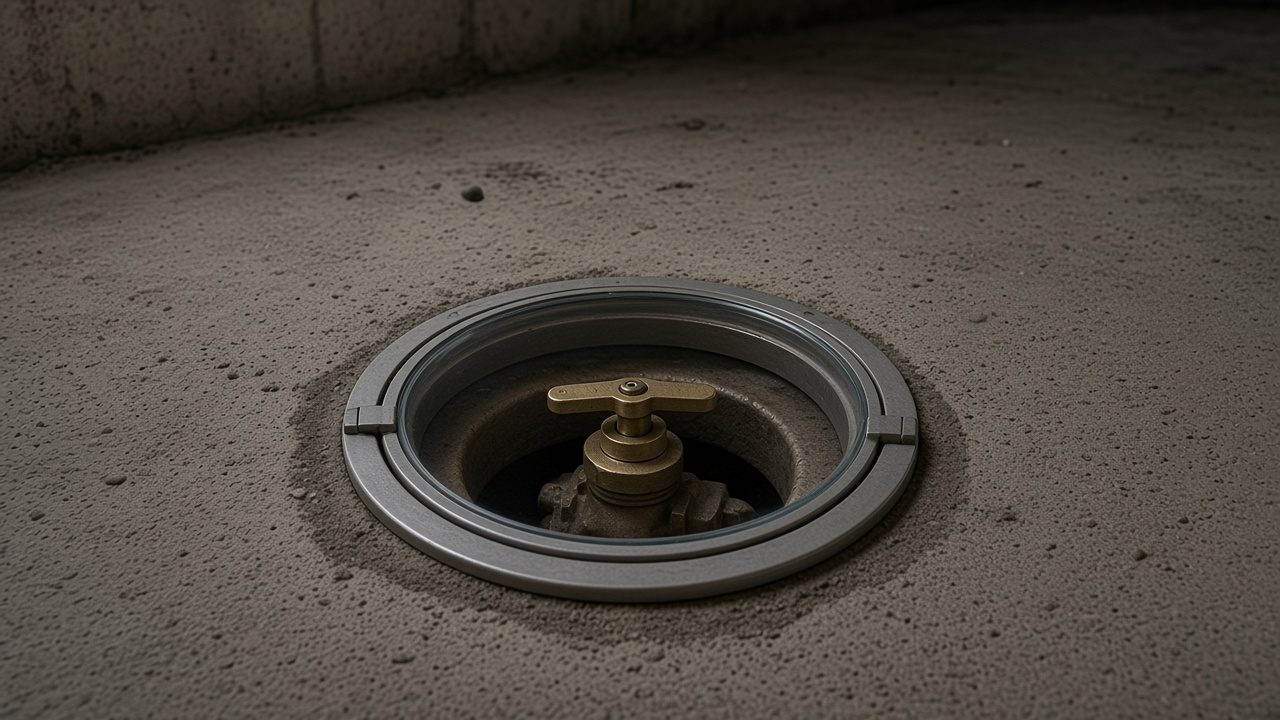
A backwater valve can help protect an Oakville basement from wastewater flowing backward through the sewer connection during certain sewer backup conditions.
There is another reason to look into one. Halton Region currently offers a subsidy covering 50% of eligible backwater valve installation costs, up to a maximum of $1,600.
The program has specific requirements. A backwater valve is not suitable for every property, a Town of Oakville permit is required, and certain stormwater connections must be addressed before the installation can qualify for the subsidy.
If you are considering a backwater valve, check eligibility before the work starts. The official details are on Halton's backwater valve installation subsidy page.
What Does a Backwater Valve Do?
Your home's sanitary sewer lateral carries wastewater away from the house toward the municipal wastewater system. Normally that flow goes in one direction, away from the property.
During certain sewer backup conditions, wastewater can try to flow the other way, back through the home's sewer connection. A properly installed backwater valve is designed to close when that reverse flow happens, so wastewater is less likely to travel backward through the protected drain.
A backwater valve does not prevent every kind of basement flooding. Water can still enter through foundation drainage problems, groundwater, surface drainage, and other plumbing issues. Halton Region also says backwater valves are not appropriate for every home. Whether one fits depends on how the plumbing and drainage are arranged. If the water is already on the floor, start with basement flooding and leak repair so the source is clear before anyone cuts the floor.
Oakville Backwater Valve Subsidy: Up to $1,600
Oakville is part of Halton Region, which runs a Basement Flooding Prevention Subsidy Program. For qualifying work completed after July 15, 2024, Halton currently covers 50% of eligible backwater valve installation costs, up to a maximum subsidy of $1,600.
Eligible costs can include qualifying labour and materials, subject to the Region's rules. That can lower what you pay out of pocket. The subsidy is not automatic. Read the requirements before you hire anyone, on the Halton basement flooding prevention program.
Who Qualifies for the Halton Backwater Valve Subsidy?
According to Halton Region, the property must:
- Be located within Halton Region
- Be connected to Halton Region's municipal wastewater sewer system
- Meet the program's drainage requirements
- Have an eligible backwater valve installed inside the home
- Obtain the required municipal permit
- Pass the required municipal inspection
- Submit the application within one year after the work is completed
Homes on septic systems are not eligible for this subsidy. The subsidy is also available only once per property, even if the house is sold later.
Weeping Tiles and Stormwater Connections
This is one of the parts homeowners should check before installation. To qualify, Halton wants evidence that stormwater sources such as weeping tiles are not connected to the wastewater sewer upstream of the backwater valve.
The Region accepts documentation through methods including:
- An eligible Household Drainage Survey
- A plumbing or drainage assessment
- CCTV inspection
- Dye testing, where appropriate
If those stormwater connections exist, they may need to be disconnected as part of the work. Installing a backwater valve without dealing with certain upstream connections can create new drainage problems. A plumber should look at the drainage arrangement before recommending the valve. A sewer camera inspection is often how that check is done.
Does Oakville Require a Permit?
Yes. The Town of Oakville lists a backflow preventer or backwater valve among projects that need a building permit. The permit is part of the installation, and it matters for the subsidy too.
Halton Region asks for a copy of the municipal permit and proof that the installation passed the final inspection. If you plan to apply, do not treat the permit as optional. The Town explains the current process on its building permit application page.
Does the Valve Have to Be Installed Inside?
For Halton's current subsidy, yes. Halton says exterior backwater valve installations are not eligible for this funding. The qualifying valve has to be installed inside the home and meet the program rules. That is another reason to settle the location before work begins.
What Happens During Installation?
Every house is different. A typical job starts by finding the sanitary sewer lateral and a sensible place for the valve. The plumber may need to:
- Assess the existing drainage system.
- Decide whether a backwater valve is appropriate.
- Check for upstream stormwater or weeping-tile connections.
- Locate the sanitary building drain.
- Obtain the permit.
- Open part of the basement floor to reach the pipe.
- Install an approved backwater valve.
- Restore the plumbing connection.
- Arrange the required inspection.
- Give you the paperwork needed for the subsidy application.
The exact work depends on the house, the pipes, the basement floor, and the drainage you already have. The job should start with an assessment, not with cutting the floor on the first visit.
Can Every Oakville Home Have One?
No. A backwater valve can be useful, and Halton says it is not suitable for every home. The plumbing has to be looked at first, especially if the property has:
- Weeping tiles connected to the sanitary system
- Other stormwater connections
- An unusual drainage layout
- Earlier sewer changes
- Basement flooding that has not been diagnosed
The useful question is where the flooding risk is coming from, before you decide a backwater valve is the fix.
Backwater Valve vs. Sump Pump
These deal with different water. A backwater valve is meant to help stop wastewater from flowing backward through the sanitary sewer connection. A sump pump removes water collected in a sump pit, usually as part of foundation drainage. One may be right, both may be right, or the house may need a different drainage correction. See sump pump installation and repair if the pit is the problem.
Halton runs separate subsidies for different basement-flooding work. The enhanced program currently includes up to:
- $1,600 toward eligible backwater valve work
- $6,500 for eligible weeping-tile disconnection and sump pump installation
- $4,000 toward eligible private wastewater lateral repair
- $900 for eligible downspout disconnection
Each program has its own rules. The overview is on the Halton Region Basement Flooding Prevention Subsidy Program page.
How to Apply for the Subsidy
This is a Halton Region subsidy for eligible Oakville properties, not a separate Town of Oakville rebate.
1. Check that the property qualifies
Confirm the home is in Halton Region and connected to the municipal wastewater system.
2. Have the drainage assessed
Find out whether a backwater valve fits the house, and whether any stormwater or weeping-tile connections would block the subsidy.
3. Get the Oakville permit
A permit is required. Start with the Town of Oakville building permit process.
4. Complete the installation
The work has to meet Halton's eligibility rules and the building requirements that apply.
5. Pass the final inspection
Halton wants evidence that the municipal building inspector has signed off on the permit.
6. Keep the paid, itemized invoice
The invoice should name the eligible labour, materials, and related work. Halton asks for that detail, not a single line that only says "plumbing."
7. Submit the Halton application
Applications generally have to be in within one year after the work is completed. The Region asks for the application, waiver, paid itemized invoice, permit papers, final inspection confirmation, and the drainage documents. Instructions and the form are on the Halton Region backwater valve subsidy page.
What Documentation Should You Keep?
If you intend to apply, keep everything from the project:
- Paid itemized invoice
- Material and labour breakdown
- Plumbing assessment notes
- CCTV inspection records, if one was done
- Oakville building permit
- Final inspection approval
- Evidence about weeping-tile and stormwater connections
- Anything else Halton Region asks for
It is much easier to collect these while the work is happening than to rebuild the file later.
If the Basement Has Already Backed Up
If wastewater has already come up through a floor drain or another basement drain, do not assume a backwater valve is the only work required. The cause should be checked. That can include a damaged sewer lateral, tree roots, a pipe defect, a stormwater connection that should not be there, or a restriction in the sewer.
Halton also has a separate subsidy covering 50% of eligible private wastewater lateral repair costs, up to $4,000, if the property qualifies. A camera inspection can show whether more is wrong before flood-prevention work is planned.
Backwater Valve Maintenance
Installing the valve is not the end of it. The valve has moving parts that need to open for normal drainage and close when flow reverses. Know where it is, and follow the manufacturer's inspection instructions.
If debris jams it, or a part stops moving, it may not do its job. Ask the installer to show you where the access cover is, how the valve works, what maintenance the manufacturer calls for, and what should prompt another look. Do not bury that access cover when you finish the basement.
When a Backwater Valve Is Worth Discussing
It is worth a conversation with a plumber if:
- The basement has had a sewer backup
- The neighbourhood has had sewer-related flooding
- You are already doing other flood-protection work
- You are repairing or replacing the sanitary lateral
- You want to look at flood protection before finishing a basement
- Halton or a drainage assessment has said a valve is appropriate
A backwater valve should not be treated as the answer to every wet basement.
Backwater Valve Installation in Oakville
If you are considering a backwater valve in Oakville, start by finding out whether the house is suitable and whether the installation would meet Halton's subsidy rules. An assessment can sort out whether a valve is appropriate, where it should sit, whether weeping tiles or other stormwater connections need attention, whether a camera inspection is useful, which permit is required, and which papers to keep.
If the property qualifies, Halton's current program may cover 50% of eligible costs up to $1,600. Check those rules before the project starts.
Contact us to arrange a backwater valve assessment or installation in Oakville. We can look at the plumbing and drainage, explain the installation, and go through the paperwork the permit and the Halton application ask for.
Frequently Asked Questions
How much is the backwater valve subsidy in Oakville?
For eligible work completed after July 15, 2024, Halton Region currently provides 50% of eligible costs up to a maximum of $1,600 for qualifying backwater valve installations.
Does Oakville have a backwater valve rebate?
Eligible Oakville homeowners apply through Halton Region's Basement Flooding Prevention Subsidy Program. It is a regional subsidy, not a separate Town of Oakville rebate. Program details are on Halton's basement flooding page.
Do I need a permit to install a backwater valve in Oakville?
Yes. The Town of Oakville lists backwater valves among projects that need a building permit. Halton also wants the permit and proof of final inspection when you apply. See the Town of Oakville permit process.
Can I install the valve outside and still get the subsidy?
Halton Region says exterior backwater valve installations are not eligible under the current subsidy.
Does every Oakville home qualify?
No. The home has to meet Halton's rules, including a connection to the municipal wastewater system. The drainage layout has to meet the program too.
Do I need to disconnect weeping tiles?
Halton wants proof that stormwater sources such as weeping tiles are not connected to the wastewater system upstream of the backwater valve. What that means on a given house depends on how it is drained now.
How long do I have to apply?
Halton currently asks for the application within one year of the work being completed. The steps are on the backwater valve subsidy page.
Can I also get a subsidy for a sump pump?
Halton currently offers separate help for qualifying weeping-tile disconnection and sump pump installations, with funding of up to $6,500 under the enhanced program. Different rules apply.