
Blog / Toronto
Does My Toronto Home Have Lead Pipes? Free Lead Testing Guide
September 24, 2026
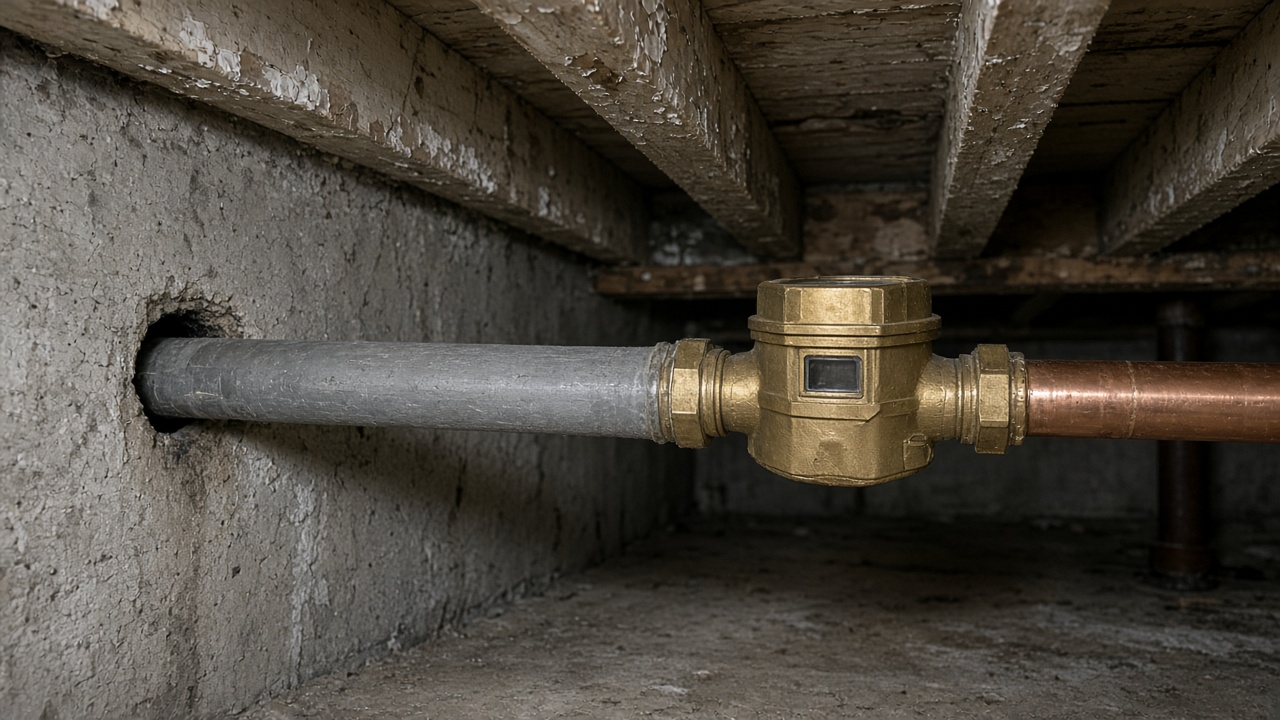
If you own an older home in Toronto, you may have a lead water service pipe bringing water from the street into your house.
This is particularly worth checking if your home was built before the mid-1950s, when lead was commonly used for residential water service pipes in Toronto.
Fortunately, you do not have to guess.
The City of Toronto offers free lead testing for residents living in homes built before the mid-1950s. You can contact 311, get a free testing kit, collect a tap water sample and have it tested by the City.
If you are concerned about lead pipes in your Toronto home, this should be one of your first steps.
How Do I Know If My Toronto Home Has Lead Pipes?
There are several ways to investigate whether your home has a lead water service pipe:
- Check when your home was built.
- Look at the pipe entering your home near the water meter.
- Contact 311 and ask the City to check its records.
- Get your tap water tested for lead for free.
- Have a licensed plumber inspect the water service pipe.
No single visual clue is as useful as combining your home's age, City records, water testing and a professional inspection.
Start With the Age of Your Toronto Home
The age of your house is one of the first clues.
According to the City of Toronto, lead was commonly used for residential water service pipes before the mid-1950s.
That means a Toronto house built before the mid-1950s could potentially still have a lead water service pipe, particularly if the original service has never been fully replaced.
This does not mean every older Toronto home has lead pipes.
Many water services have already been replaced over the years. The age of the house simply tells you whether further investigation is worthwhile.
There is also an important exception.
The City says lead water service pipes were not used in apartment buildings and other buildings containing more than six units, regardless of the building's age.
Toronto Offers Free Lead Testing for Older Homes
One of the most useful resources for Toronto homeowners is the City's free lead testing program.
Residents of homes built before the mid-1950s can submit a tap water sample to the City of Toronto for testing at no charge.
You do not need to immediately pay a private laboratory or rely on an inexpensive home testing strip.
The City can test your tap water for you.
How to Get Free Lead Testing in Toronto
The process is straightforward.
1. Call Toronto 311
Contact 311 and tell them you would like to register for a residential lead testing kit.
The kit includes:
- A water sample container
- Instructions for collecting the sample
Make sure you register before going to pick up the kit.
2. Pick Up Your Free Lead Testing Kit
After registering, testing kits can be picked up from Toronto Public Health locations.
Current pickup locations include:
North Toronto
5100 Yonge Street, 2nd Floor
East Toronto
1530 Markham Road, 6th Floor
South Toronto
850 Coxwell Avenue
West Toronto
399 The West Mall, North Block, 4th Floor
The City's current pickup hours are Monday to Friday from 8:30 a.m. to 4:30 p.m.
Because locations and hours can change, it is a good idea to confirm the latest information with 311 before visiting.
3. Collect Your Tap Water Sample
Follow the instructions included with your testing kit carefully.
How the sample is collected matters. Do not simply fill the container without first reading the City's instructions.
The goal is to provide the laboratory with a properly collected sample that can be used to determine the amount of lead in your tap water.
4. Return the Water Sample
Once you have collected the sample, return it to one of the City's designated drop-off locations.
The sample is then tested by Toronto Water.
5. Wait for Your Results
The City states that residents are notified of their results by regular mail within approximately 30 days after the Toronto Water laboratory receives the sample.
For an older Toronto homeowner who is unsure about their plumbing, this is a valuable service because the lead test itself is free.
Can I Identify a Lead Pipe Myself?
You may be able to find clues by looking at the water service pipe entering your house.
Go to your basement and locate your water meter.
Look at the pipe that enters the house and connects to the meter.
According to the City of Toronto, a lead pipe may:
- Be grey in colour
- Scratch relatively easily
- Not sound hollow when tapped
These are clues, not a definitive test.
Other plumbing materials can sometimes be difficult for homeowners to identify correctly.
If you are unsure what you are looking at, a licensed plumber can inspect the service pipe near your water meter and help determine what material it is made from.
Ask Toronto to Check Its Records for Your Property
There is another free option that many homeowners may not know about.
You can contact 311 and ask City staff to check Toronto's records for information about the water service pipe at your property.
According to the City, this records check can take up to 30 business days.
If you own an older home, consider doing this at the same time you request your free water testing kit.
That gives you several pieces of information instead of relying on a single clue.
A good approach is:
- Request the free Toronto lead testing kit.
- Ask 311 to check the City's water service records.
- Check the visible pipe beside your water meter.
- Have a plumber inspect the pipe if you are still unsure.
What Part of the Water Pipe Does the Homeowner Own?
Understanding who owns which part of the water service is important if lead piping is discovered.
A Toronto residential water service is generally divided into two sections.
City-Owned Water Service
The City-owned portion runs from the watermain beneath the street to the property line.
Homeowner-Owned Water Service
The privately owned portion runs from the property line into the house.
This distinction matters because one section could have been replaced while the other section remains older.
For example, previous road or watermain construction does not necessarily mean that the private pipe running from the property line into your basement was also replaced.
If you are purchasing an older Toronto home, this is a useful detail to investigate rather than simply asking whether the water line was replaced.
Find out which portion was actually replaced.
What Should I Do If My Toronto Home Has a Lead Pipe?
If you confirm that your home has a lead water service pipe, replacing the lead service is the most permanent solution.
Toronto operates a Priority Lead Water Service Replacement Program.
Homeowners who commit to replacing their privately owned portion of a lead water service can apply to have the City-owned portion replaced on a priority basis.
Before arranging work, determine:
- Whether the private portion is lead
- Whether the City-owned portion is lead
- Whether either section has already been replaced
- Where the water service enters the home
- What replacement work is required on your property
A licensed plumber can inspect the private portion of the water service and explain the work required to replace it.
What If My Water Looks Clear?
You cannot determine whether water contains lead simply by looking at it.
Clear-looking water does not tell you what material your water service pipe is made from or whether lead is present in the water.
If you live in an older Toronto home and are concerned about lead, testing is much more useful than relying on the appearance, taste or smell of the water.
The City specifically states that testing is the way to know whether your water contains lead.
Should I Test My Toronto Home for Lead?
If your house was built before the mid-1950s and you do not know whether the water service has been replaced, testing is a sensible place to start.
It is especially worthwhile because Toronto provides eligible residents with free lead testing.
Start by calling 311 and requesting a lead testing kit.
While you are speaking with 311, you can also request a City records check for your property's water service.
If the pipe material remains unclear, have a licensed plumber inspect the service where it enters your basement near the water meter.
These steps can help you determine whether your Toronto home has an older lead service and whether replacement should be considered.
Frequently Asked Questions About Lead Pipes in Toronto
Does Toronto offer free lead testing?
Yes. The City of Toronto provides free tap water lead testing for residents living in homes built before the mid-1950s. Contact 311 to register for a testing kit.
How can I tell if my Toronto house has lead pipes?
Start by checking the age of your home and inspecting the water service pipe near your water meter. You can also ask 311 to check City records, request free lead testing and have a licensed plumber inspect the service.
What year were lead pipes used in Toronto?
The City of Toronto says lead was commonly used for residential water service pipes before the mid-1950s.
Where is the lead pipe located?
The water service pipe typically runs from the municipal watermain beneath the street to your property and then into your home. Inside an older Toronto house, the service can usually be found entering the basement near the water meter.
Can Toronto tell me if my house has a lead service pipe?
You can contact 311 and request that City staff check available records for your property. The City notes that this process may take up to 30 business days.
Who is responsible for replacing a lead water service in Toronto?
The City is responsible for the portion from the watermain to the property line. The homeowner is responsible for the portion from the property line into the home.
Can a plumber check whether my pipe is lead?
Yes. A licensed plumber can inspect the water service pipe entering your home, typically near the basement water meter, and determine whether the visible service appears to be lead.
Need Help Identifying an Older Water Service?
If you are unsure what type of water service enters your Toronto home, a licensed plumber can inspect the visible plumbing, identify the service material and explain your replacement options if an older lead service is found.
For water quality testing, take advantage of the City of Toronto's free lead testing program first. Contact 311 to register for a testing kit.
If the problem is weak flow rather than the pipe material, see low water pressure repair in Toronto.