
Low Water Pressure Repair in Toronto
September 24, 2026
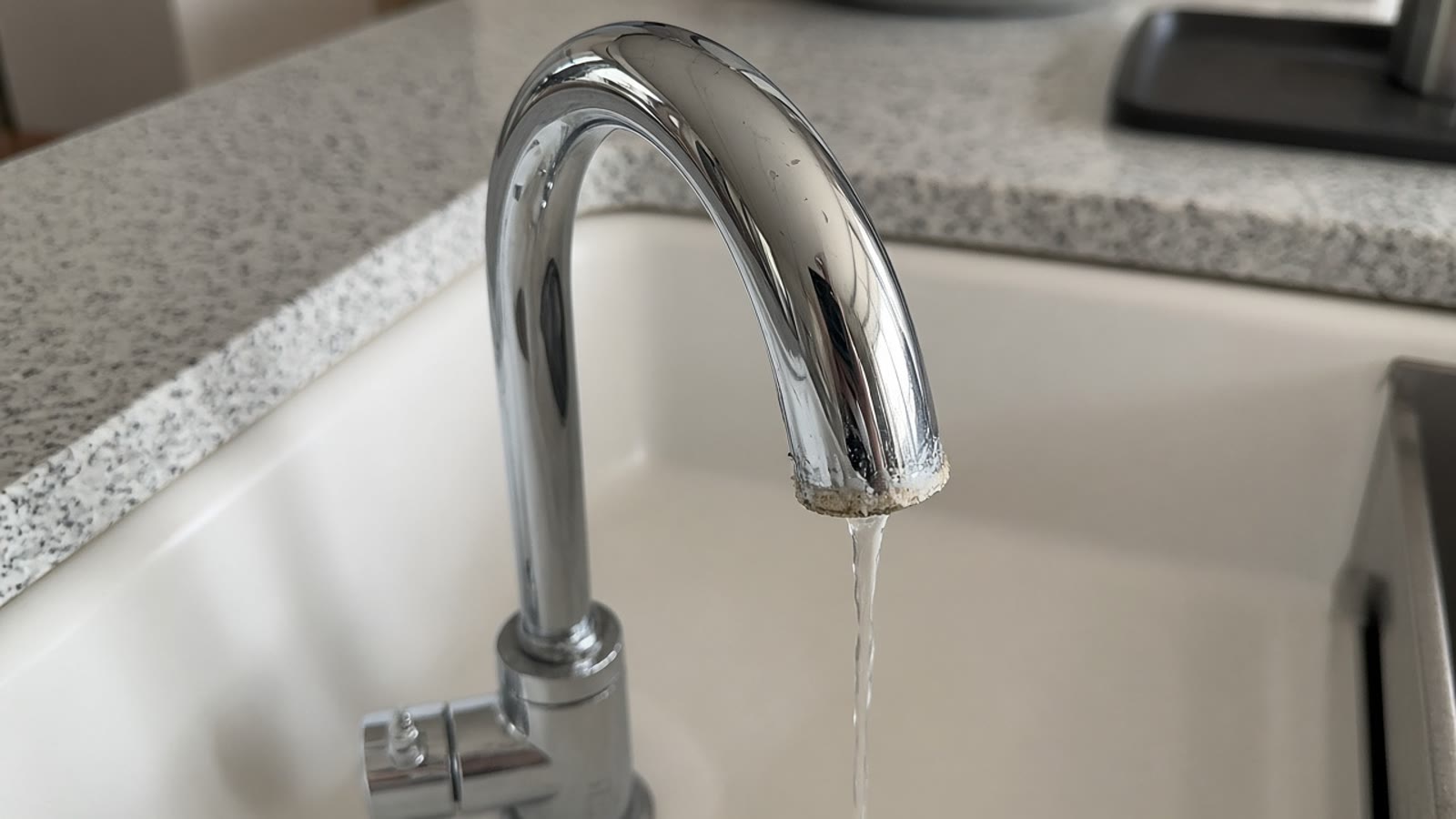
Weak water pressure can turn simple tasks like showering, washing dishes or filling a sink into a frustrating experience.
Sometimes the cause is as simple as a clogged faucet aerator. Other times, low water pressure can point to a problem with your home's plumbing, water service line, shutoff valve or aging pipes.
If you are experiencing low water pressure in your Toronto home, the first step is figuring out whether the problem affects one fixture, part of the house or the entire property.
Our plumbers can diagnose the cause of low water pressure and recommend the appropriate repair instead of replacing parts unnecessarily.
Low water pressure throughout your home? Contact us to schedule a plumbing inspection.
Why Is My Water Pressure Low?
Low water pressure can have several different causes, and the location of the problem often provides the first clue.
Common causes include:
- Clogged faucet aerators or showerheads
- A partially closed main water shutoff valve
- Aging or restricted plumbing pipes
- Galvanized steel pipes with internal buildup
- A leaking water line
- Problems with the home's water service line
- A faulty pressure-regulating valve, where one is installed
- Frozen pipes during cold Toronto weather
- Nearby watermain work or construction
- A municipal water supply issue
Before assuming that major plumbing work is needed, it helps to narrow down exactly where the pressure problem occurs.
Low Water Pressure at Only One Faucet?
If only one sink, shower or fixture has weak water flow, the problem is usually localized.
Start by checking the fixture itself.
Check the Faucet Aerator
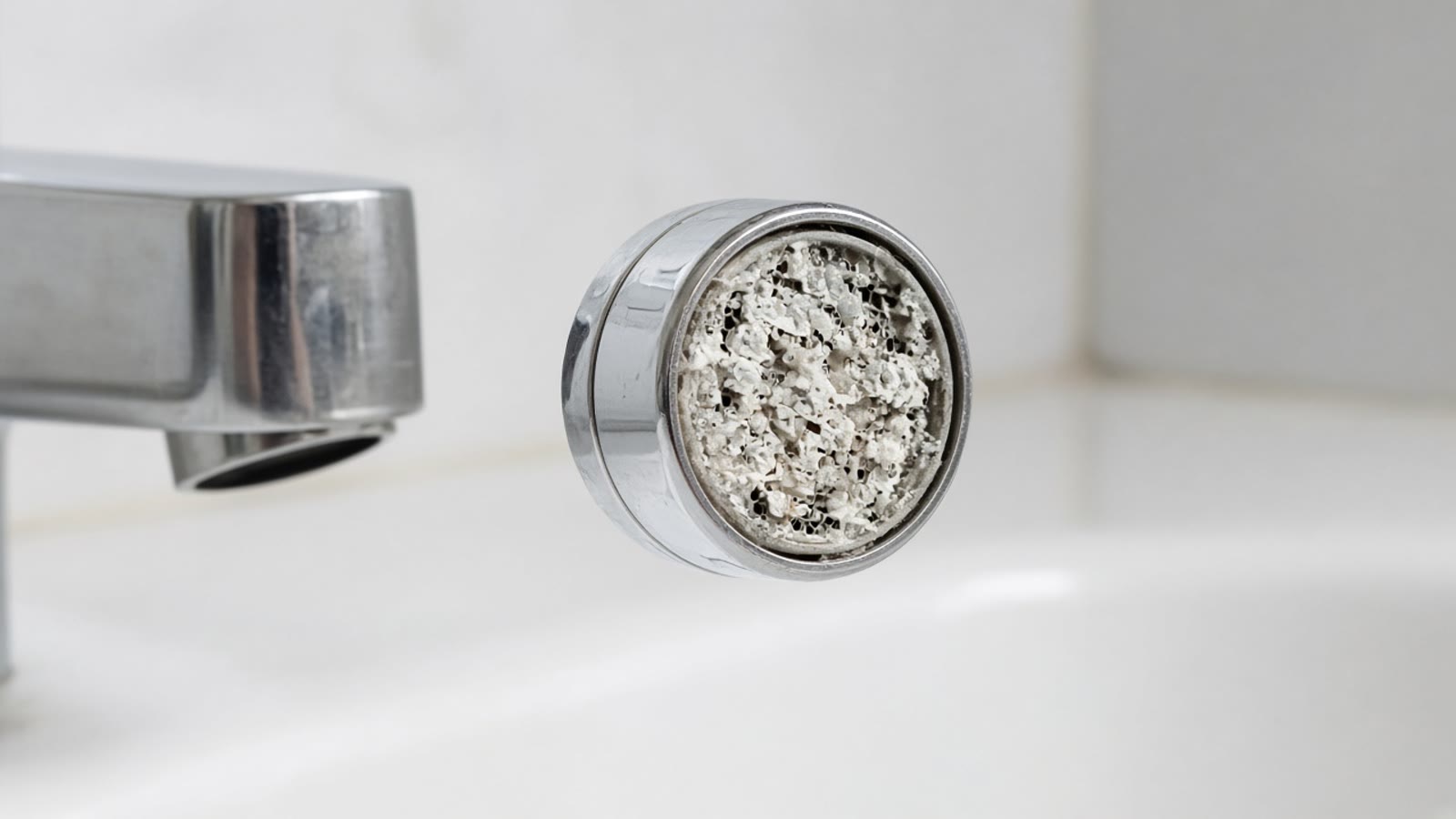
The aerator is the small screen attached to the end of many faucets.
Mineral deposits, sediment and debris can restrict the screen and reduce water flow.
Unscrew the aerator if it can be safely removed, clean away visible debris, rinse it and reinstall it.
Toronto also recommends checking clogged aerators when investigating low water pressure.
If pressure returns to normal, you may have found the problem.
Check the Showerhead
If only your shower has poor pressure, buildup inside the showerhead can restrict flow.
If other fixtures nearby have normal pressure, the issue is more likely to be with the shower fixture than with your entire home's water supply.
Still Have Low Pressure at One Fixture?
If cleaning the fixture does not solve the problem, there may be a problem with the faucet cartridge, supply valve or piping serving that fixture.
At this point, having a plumber inspect the fixture can prevent unnecessary replacement of unrelated plumbing.
Low Water Pressure in Only Part of the House
If several fixtures in one area have low pressure but the rest of the home works normally, the problem may be within one branch of your plumbing system.
For example, you might notice:
- Weak pressure throughout an upstairs bathroom
- Poor flow only on the hot-water side
- Low pressure in an addition or renovated section
- Several fixtures on the same plumbing branch performing poorly
This can indicate a partially closed valve, restriction, pipe buildup or another private plumbing issue.
The City of Toronto notes that low pressure affecting only one tap or one section of a property generally indicates a private plumbing issue.
A plumber can trace the affected plumbing branch and determine where the restriction begins.
Low Water Pressure Throughout the Entire House
If every faucet and shower in your home suddenly or gradually develops low pressure, the possible causes become different.
Whole-house low pressure can be related to:
- The main shutoff valve
- The water service pipe
- Aging or restricted pipes
- A leak
- A pressure-regulating device
- City construction or watermain work
- A municipal supply problem
This is where proper diagnosis becomes particularly important.
Replacing fixtures will not solve a restriction in the main water service, and replacing a water service will not solve a clogged faucet.
The goal should be to identify the cause before recommending the repair.
Check Your Main Water Shutoff Valve
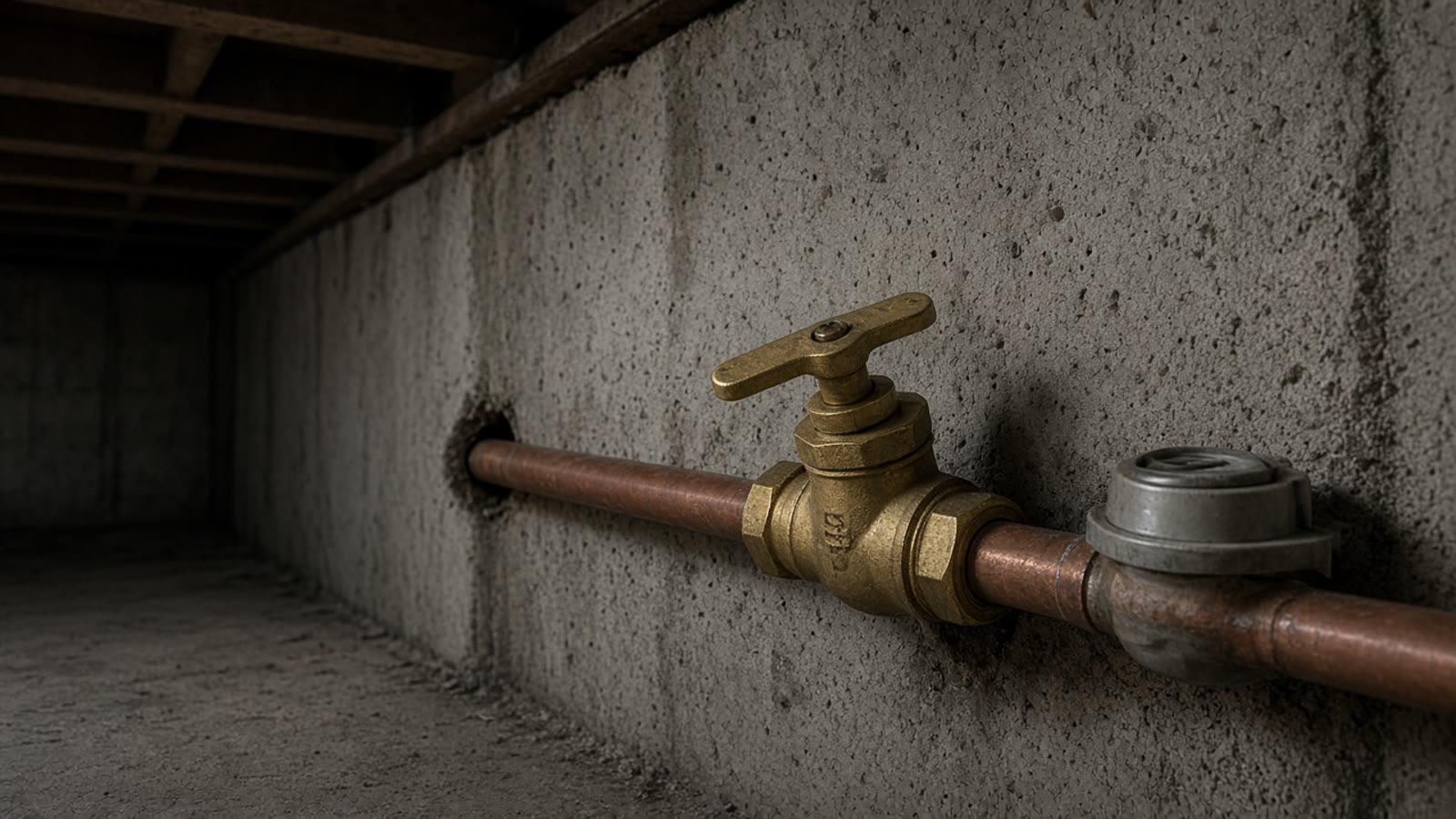
Before calling a plumber, check whether your home's main water valve is completely open.
In many Toronto homes, the main shutoff valve is located in the basement near the foundation wall where the drinking water service enters the house, close to the water meter.
If the valve was recently operated during:
- Plumbing repairs
- Renovations
- Water meter work
- A leak
- A previous shutoff
it may not have been reopened completely.
A partially closed valve can restrict water throughout the house.
If the valve is old, damaged, leaking or difficult to operate, do not force it. An older valve can fail when disturbed and may require professional replacement.
Did Your Water Pressure Drop Suddenly?
A sudden change deserves more attention than pressure that has slowly declined over many years.
If your water pressure was normal yesterday and is significantly lower today, consider whether there is:
- Construction happening nearby
- Watermain work on your street
- A watermain break
- Recent plumbing work inside your home
- A partially closed valve
- A possible plumbing leak
Ask a neighbour whether they are experiencing the same issue.
If several nearby homes suddenly have low pressure, the problem may be related to the municipal water system rather than your home's plumbing.
Toronto advises residents experiencing a sudden pressure drop to contact 311 or submit a water-pressure service request.
Is Low Water Pressure Worse When Multiple Fixtures Are Running?
This is an important diagnostic clue.
Try turning on one fixture and observe the flow.
Then turn on another faucet or shower.
If your water pressure drops dramatically whenever two or more fixtures are used at the same time, there may be a restriction in the amount of water entering or moving through the home.
Possible causes can include:
- An undersized water service
- Restricted older piping
- Mineral buildup
- A partially closed valve
- A problem with the water service line
The exact cause should be confirmed before deciding that a water service replacement is necessary.
Older Toronto Homes and Low Water Pressure
Older homes can sometimes experience poor water flow because of the condition or size of their plumbing.
Galvanized steel plumbing is particularly important to inspect.
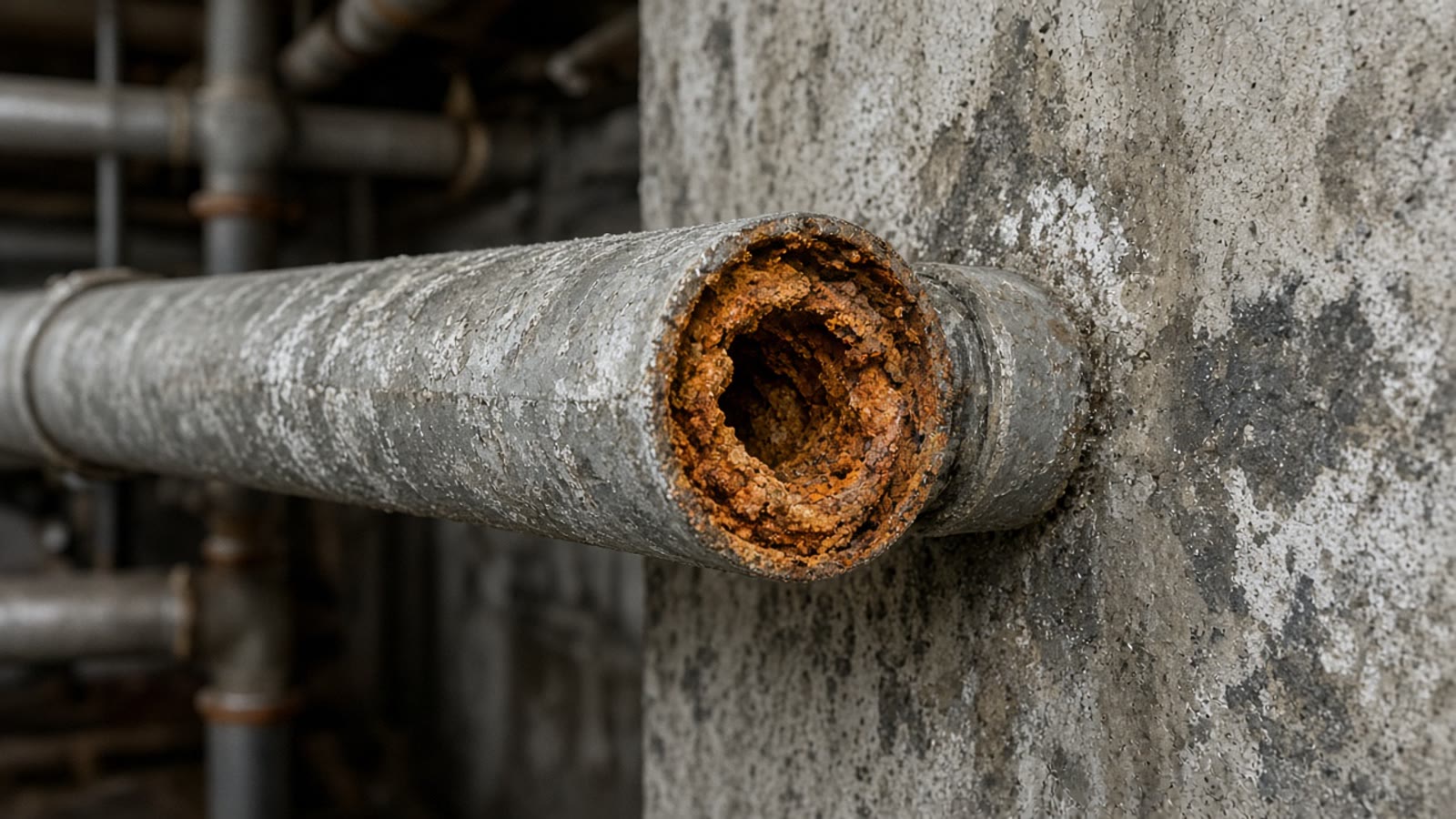
Over many years, the inside diameter of an older pipe can become restricted by corrosion and deposits. From the outside, the pipe may appear large enough, while the opening available for water inside has become much smaller.
That restriction can reduce flow to fixtures throughout the house.
Older properties may also have older water service lines that should be inspected as part of a whole-house pressure problem. If the house was built before the mid-1950s, it is also worth reading how to check for a lead water service and use the City's free lead test.
If your Toronto home was built decades ago and the plumbing has never been substantially updated, the type and condition of the pipes should be part of the diagnosis.
Could a Leak Cause Low Water Pressure?
Yes, a significant leak can reduce the amount of water reaching your fixtures.
Low pressure alone does not prove that you have a leak, but watch for other warning signs such as:
- Unexplained water sounds
- Damp walls or ceilings
- Water collecting in the basement
- A sudden increase in water usage
- Wet areas near the foundation
- Water meter activity when no fixtures are being used
If you suspect an active plumbing leak, arrange an inspection rather than simply treating the pressure problem. If a pipe has already burst, shut the main and call.
Low Hot Water Pressure but Normal Cold Water Pressure
This is a different type of problem.
If the cold water pressure is normal but hot water pressure is weak throughout the house, the issue is likely related to the hot-water plumbing rather than the municipal supply.
Possible causes can include:
- A partially closed valve
- Restricted hot-water piping
- Sediment or buildup
- A fixture-specific problem
- Plumbing associated with the water heater
Comparing hot and cold pressure at several fixtures can help narrow the issue down.
Tell your plumber whether the problem affects:
Cold water only, hot water only, or both.
That information can make diagnosis much faster.
Could the Problem Be the City's Water Supply?
It can be.
Toronto Water monitors the municipal water system, and construction, watermain problems and other work can temporarily affect service.
Before paying for plumbing repairs, it makes sense to determine whether the problem affects only your property.
Ask yourself:
Do my neighbours have the same problem?
If yes, contact 311.
If neighbouring homes have normal water pressure but your entire house does not, the problem becomes more likely to involve your property or private plumbing.
Toronto also offers investigations for chronic low water pressure. City staff may inspect the water supply and meter and, where appropriate, perform a flow test.
Toronto's Low Water Pressure Test
Homeowners with chronic low water pressure may be able to request an investigation from Toronto Water.
According to the City, staff first check that the water supply valves are fully open and that the home's plumbing is suitable for testing.
Toronto can then measure the flow entering the property.
The City currently considers 7 litres per minute or more acceptable during its low-flow test. If flow is below 7 litres per minute under the City's testing procedure, the City may identify its water service pipe as a priority for replacement.
There is an important limitation.
Toronto says it will not conduct this test if the home's relevant pipes are lead or galvanized steel. In those situations, the homeowner may first be advised to contact a plumber.
That is another reason an inspection of an older home's plumbing can be useful before assuming the low pressure originates from the street.
When Should You Call a Plumber for Low Water Pressure?
You probably do not need a plumber because one faucet aerator needs cleaning.
Professional diagnosis becomes more useful when:
- Low pressure affects the entire house
- Multiple fixtures are affected
- Pressure has steadily become worse
- Your neighbours have normal pressure
- Cleaning aerators does not solve the problem
- The main valve is fully open
- Your home has galvanized or older plumbing
- Hot-water pressure is significantly different from cold-water pressure
- Pressure drops severely when several fixtures are running
- You suspect a leak
- You are unsure about the condition of your water service line
At this stage, continuing to replace faucets or showerheads usually does not address the underlying problem.
The plumbing system should be tested and inspected.
How We Diagnose Low Water Pressure
We do not assume every low-pressure complaint requires a major repair.
A proper inspection may include checking:
Fixtures
We determine whether the problem is isolated to a faucet, shower or appliance.
Shutoff and Supply Valves
We check whether valves are fully open and functioning correctly.
Hot vs. Cold Water
Comparing the two helps determine whether the problem affects the entire supply or only part of the plumbing system.
Existing Pipe Material
Older galvanized, lead or other aging plumbing can require a different approach from modern copper or PEX systems.
Visible Leaks
We look for evidence that water is being lost before it reaches your fixtures.
Water Flow Throughout the House
We compare fixtures and plumbing zones to determine whether the restriction is localized or affects the main supply.
Water Service Line
If the evidence points toward the service entering your home, we can explain what further investigation or repair may be appropriate.
The objective is simple: find the restriction first, then recommend the repair.
Low Water Pressure Repair Options
The correct repair depends entirely on what is causing the problem.
Possible solutions may include:
- Cleaning or replacing a clogged fixture component
- Repairing or replacing a damaged valve
- Repairing a leaking pipe
- Replacing restricted sections of old plumbing
- Correcting problems with hot-water plumbing
- Replacing deteriorated galvanized piping
- Repairing or replacing a private water service line
Not every house requires major work.
That is why diagnosis should come before replacement.
Low Water Pressure Repair in Toronto
If you have already checked the simple causes and your water pressure is still weak, the next step is determining where the restriction is occurring.
A plumbing inspection can help separate a minor fixture problem from a larger issue involving your home's pipes or water service.
We provide low water pressure diagnosis and plumbing repair for homeowners throughout Toronto.
Contact us to schedule a low water pressure inspection.
We can inspect the plumbing, explain what is causing the problem and recommend the appropriate repair based on what we find.
Frequently Asked Questions
Why is my water pressure suddenly low in Toronto?
A sudden pressure drop can be caused by nearby City work, a watermain problem, a partially closed valve, a leak or a problem within your home's plumbing. Check whether neighbouring homes are experiencing the same problem. If several properties are affected, contact Toronto 311.
Why is my water pressure low in only one faucet?
A clogged aerator, fixture cartridge, supply valve or localized pipe restriction can cause low pressure at one faucet. Start by checking and cleaning the aerator.
Why is my shower pressure low but my sinks are fine?
If other fixtures have normal pressure, the problem is more likely to involve the showerhead, shower valve or plumbing serving that shower rather than your main water supply.
Can old pipes cause low water pressure?
Yes. Older plumbing can develop internal restrictions that reduce water flow. Galvanized steel pipes are particularly susceptible to corrosion and buildup over time.
Can a plumber increase my water pressure?
A plumber can first determine why the pressure or flow is low. If the problem is caused by a restriction, valve, leak or private plumbing issue, correcting the underlying problem may restore normal flow.
Who is responsible for the water service line in Toronto?
Toronto generally owns the portion running from the municipal watermain to the property line. The property owner is responsible for the portion running from the property line into the home. The same split applies to a lead water service.
Should I call Toronto 311 or a plumber?
If several neighbouring properties suddenly have low pressure, start with 311. If only one fixture or one part of your home is affected, Toronto identifies that as a private plumbing issue. If the entire house is affected but neighbours have normal service, a plumber can inspect your private plumbing and water service before you proceed further.
Related Toronto plumbing pages
- Plumber in Toronto
- Lead pipes in Toronto and free lead testing
- Book a leak or water-service inspection